

Weakest link
Your dressage test sheet – explained!
May 23, 2023
Do better, ride better, train better
January 24, 2024
Have you ever heard of the saying “A chain will break at the weakest link” or in more horse terms, “your horse can only be as good as you”?
What does this actually mean?
Years ago, I was told that a good rider can make a mediocre horse better, but a bad rider will make a good horse worse.
As riders, we have to understand that if our riding is not up to par, the horse has to come back down to our level. There is no point buying a super duper horse that can piaffe and passage or jump 1.50m if we cannot ride to that level AND we do not train to improve to ride to that level. That is why we have to keep upping our game and our standard of riding, so that we can improve the horse, or if we are lucky enough, to match our horse.
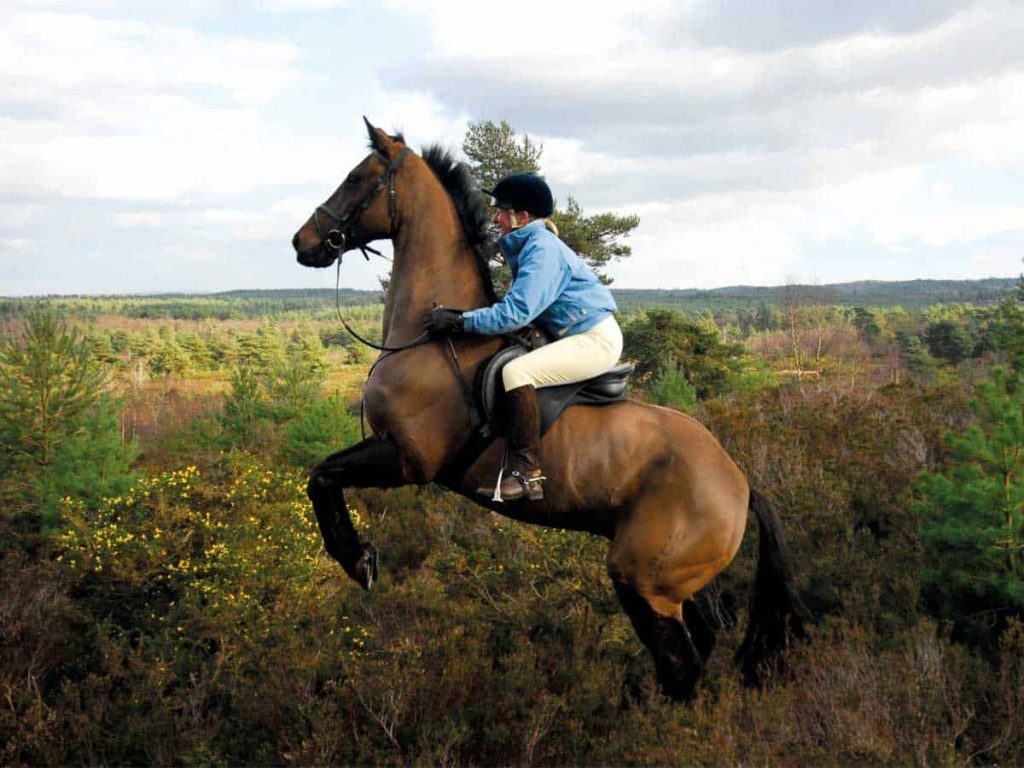
In my line of work, we see many good horses out there that start refusing jumps, that lose the quality of their paces, to start showing conflict behaviour or tension in their work and it all boils down to the quality of their training and how they are being ridden. It also can mean that they are in pain, so it is always important to rule that out also.

Examples of conflict behaviour or training / pain related issues
Coaches and trainers often find that they have to tune up the horses that their student(s) ride. This is to re-establish to the horse clear, consistent, correct, concise aids. However, more importantly, they then also have to try and teach their student(s) to ride better to be able to give those clear correct concise aids.
This is why it is important to choose a good coach / trainer. This person should have your horse’s and your best interest at heart. They should teach in an ethical manner and adhere to best standards of practice which are up to date. They should understand the scientific research that has gone into subjects such as feeding a horse, biomechanics, training principles, how horses see etc. Every coach has a duty of care towards the student and the horse.
Riders that lease a horse may find that they are running into issues now that they did not have before when they were not riding that horse so frequently. When they start leasing, they become the more regular rider on the horse and they will start to run into issues if they are not clear, consistent or concise. Here is where the coach / trainer has to step in again.
The same goes for when you own a horse. My issues with Cavi are no different from any other rider. Throughout the years that I have had him, I have to constantly make my riding and training better to get him going better as he is very quick to tell me when I am not doing it correctly.
He would very easily and quickly turn into a plod kick plod kick pony that would refuse jumps if you don’t ride him with correct aids, positively forward and with some courage on my part.
For example, Cavi is careful and can be spooky. If I am not 150% committed to a jump, he knows!! He knows if I am not being brave. How does he know? By the feel on the reins where I am actually holding him back (this is why I ride with a neck strap so that sometimes I can hook a finger into my neck strap which will keep my hands more forward), by the feel of my legs and seat where I am not committed to riding him forward. Horses are sensitive enough to feel a fly land on them!! They can feel all these signals that you are giving them.
So here are some reminders to all of us :
- Don’t blame your horse. Your horse can only be as good as you
- Never stop learning but learn the correct things
- Never stop trying to ride better. No one can ever think they ride so fantastically that they can stop learning or improving.. even the pros
- Be clear, consistent and concise with your aids
- Be brave
- Get good and correct advice when needed. Get good eyes on the ground.
- No magical piece of equipment is going to make you ride better if your fundamentals are wrong
- Get the right horse for the right job. Read Pete’s blog about it : https://www.pbitg.com/horses-for-courses/